
5 CUES TO INSTANTLY IMPROVE BENCH PRESS
In this blog i will be showing the reader 5 cues to take their bench press to the next level.
Ronnell "Kilo Nellz" Leftwich
5/6/20263 min read
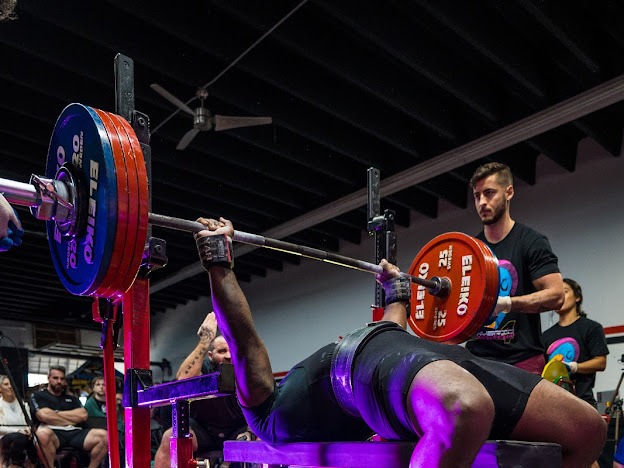
5 Bench Press Cues That Will Instantly Improve Your Bench Press
The bench press is one of the most respected lifts in the gym, but it is also one of the lifts people struggle with the most. Everybody wants a bigger bench, but most lifters focus only on moving the weight instead of mastering the technique behind the movement.
A stronger bench press is built through positioning, tension, leverage, and efficiency. Sometimes the difference between a stalled bench press and a stronger bench press comes down to a few small adjustments.
The little details matter.
If you want to improve your bench press, here are five cues that can immediately help you become stronger, tighter, and more explosive under the bar.
1. Bend the Bar
One of the biggest mistakes people make during bench press is staying loose through the upper body.
Before you even unrack the bar, you should already be creating tension. A great cue for this is to “bend the bar.”
Imagine trying to snap the bar in half with your hands. This activates the shoulders, upper back, and lats while naturally helping your elbows stay in a stronger pressing position.
When your upper body is tight, the bench press becomes more stable, controlled, and powerful.
A loose setup creates a weak press.
A tight setup creates power.
Why this matters:
Creates upper body tightness
Improves shoulder stability
Helps maintain stronger pressing mechanics
Reduces wasted movement during the lift
The bench press starts before the bar ever leaves the rack.
2. Have Your Chest Meet the Bar
One of the biggest problems lifters have is losing tension at the bottom of the movement.
A lot of people simply let the bar fall to their chest. Instead, think about having your chest meet the bar.
As the weight lowers, keep your chest high, stay tight through your upper back, and maintain control throughout the descent. You should actively meet the weight instead of relaxing into the bottom position.
This keeps your body in a stronger position and helps create more explosiveness coming off the chest.
The lowering phase of the bench press matters just as much as the pressing phase.
Why this matters:
Keeps tension throughout the entire rep
Improves control at the bottom
Builds more explosiveness off the chest
Helps maintain a stronger bar path
Control creates power.
3. Match Your Roots to Your Branches
A strong bench press starts from the ground up.
A lot of people think bench press is only about the chest, shoulders, and triceps, but your feet play a massive role in your stability and force production.
Think about a tree in nature.
The roots underground usually spread out evenly with the branches above ground. The base supports the top. There is balance and structure between both ends.
Your bench press should work the same way.
Your feet should be positioned evenly with your hands to create balance, stability, and force transfer throughout the entire body. If your feet are uneven, loose, or out of position, your upper body loses stability and power.
Your setup should feel balanced from the ground up.
When your roots are balanced, your branches become stronger.
Drive your feet into the floor and maintain that pressure throughout the entire lift.
Why this matters:
Creates better overall balance
Improves full-body stability
Helps transfer force more efficiently
Builds a stronger pressing foundation
Strong roots create strong branches.
4. Stack Your Wrists Over Your Elbows
One of the biggest energy leaks in the bench press comes from poor arm positioning.
A lot of lifters let their wrists bend too far back or allow their elbows to drift out of position. When this happens, force transfer becomes inefficient and the lift becomes harder than it needs to be.
A simple cue is to keep your wrists stacked directly over your elbows throughout the press.
This creates a straighter and stronger line of force from your hands through your arms into the barbell. The more aligned your joints are, the more efficiently you can move the weight.
When your wrists and elbows are out of alignment, you lose power and place more unnecessary stress on the joints.
Why this matters:
Improves pressing efficiency
Reduces energy leaks
Creates stronger force transfer
Helps protect the wrists and elbows
Strong positioning creates stronger pressing.
5. Press Back Toward the Rack
One of the biggest mistakes lifters make is trying to press the bar straight upward.
A stronger bench press usually follows a slight backward path after the bar touches the chest. Instead of thinking straight up, think about pressing back toward the rack.
This helps keep the bar over stronger leverage points and allows the chest, shoulders, and triceps to work together more efficiently.
As the weight gets heavier, bar path becomes even more important.
A better bar path can completely change how heavy weight feels in your hands.
Why this matters:
Improves pressing efficiency
Creates smoother lockouts
Keeps the bar in stronger leverage positions
Helps move heavier weight more effectively
Better bar path equals better pressing power.
Final Thoughts
A stronger bench press is built through mastering the details.
Small technical adjustments can completely change your strength, stability, and confidence under the bar.
Focus on these five cues:
Bend the bar
Have your chest meet the bar
Match your roots to your branches
Stack your wrists over your elbows
Press back toward the rack
Master the fundamentals, stay consistent, and your bench press will continue to improve over time.
TO TAKE YOUR BENCH PRESS TO THE NEXT LEVEL! https://payhip.com/b/2QjkR